The Origin of North Birch
Evolution of Modern Fort Lauderdale Beach
Lauder del Mar
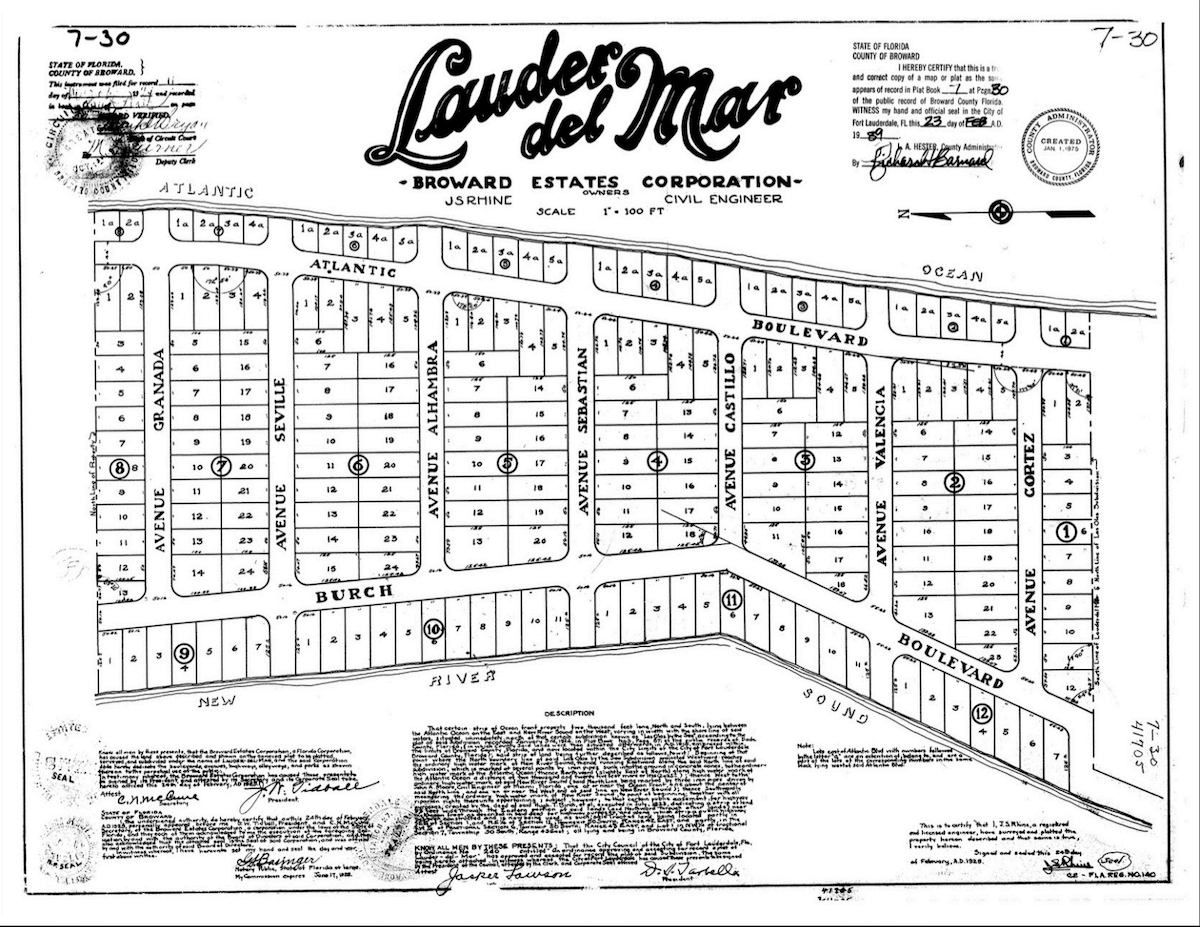
▲ Fig 1. Original 1925 Plat Book.
During the 1920s to the 1940s, the Birch Road Development area transformed from an isolated subtropical wilderness into the foundational grid of modern Fort Lauderdale Beach. Grounded by the massive landholdings of Chicago attorney and naturalist Hugh Taylor Birch—who purchased miles of beachfront property starting in the late 19th century—this section of the barrier island became a focal point of local evolution.
1920s: Land Boom & Platting
- ✔ Finger Streets: Between 1923 and 1925, Hugh Taylor Birch began subdividing his private coastal property and platted what is known legally as the Las Olas By The Sea Extension (popularly called the Birch Park Finger Streets).
- ✔ Initial Infrastructure: The southern half of the single-family neighborhood grid was recorded in October 1923 with 84 lots, followed by the northern blocks in February 1925 (see image to left).
- ✔ Early Landmark: At the southern edge of this zone, Birch's daughter Helen and her husband Frederic Clay Bartlett completed construction on the Bonnet House in 1920, cementing a distinct artistic, low-density footprint on the barrier island.
1930s: Bust & Restraint
Following the devastating 1926 Miami Hurricane and the Great Depression, rapid speculation froze. While other areas of South Florida faced aggressive commercial zoning, the Birch Road zone remained largely insulated due to Birch’s strict philosophy of preserving the natural maritime hammock. He routinely fought off dense commercial encroachment on his remaining acreage.
1940s: Wartime
The onset of World War II turned Fort Lauderdale into a major U.S. Navy and Coast Guard training hub, bringing high visibility and new roads to the beach district. In 1940, at 90 years old, Birch built his final Art Deco-style winter estate, Terramar, right along the coastal edge. To permanently save the area from heavy high-rise development, Birch gifted his 180-acre estate to the state of Florida in December 1941. This became the Hugh Taylor Birch State Park following his death in 1943, locking in the unique balance of single-family homes, pristine public beach access, and raw nature that still defines Birch Road today.
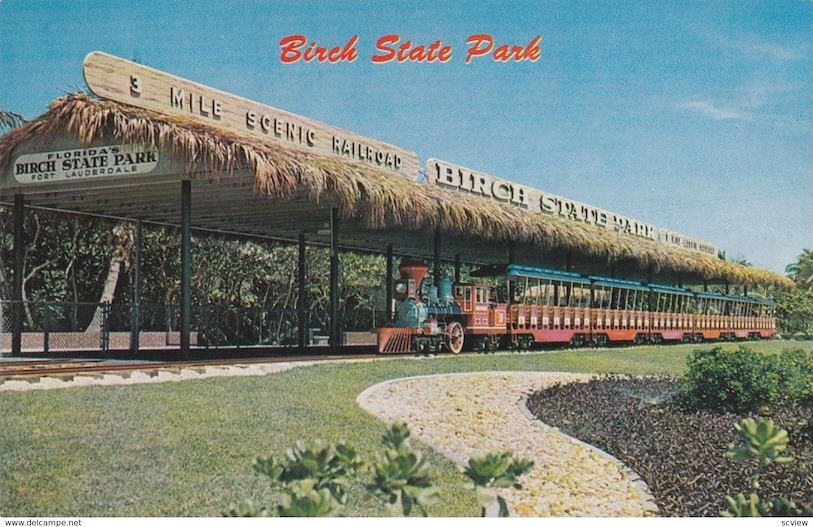
1941
Hugh Taylor Birch State Park.
Transition & Legacy
1950s
Fort Lauderdale evolved rapidly from a quiet agricultural and shipping hub into the "Venice of America" tourism hotspot. The Blue Water Hotel was constructed during this 1950s golden era of Florida Mid-Century Modern (MiMo) design.

1960s-1970s
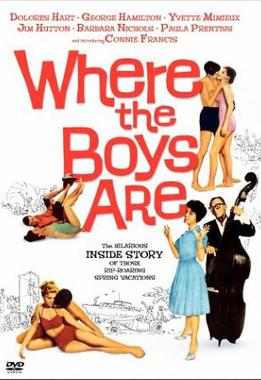
Fort Lauderdale beachfront properties became world-famous hubs for college spring break crowds following the release of the 1960 film Where the Boys Are. High-end travelers and families were accommodated during the peak winter months, transitioning to a more casual, bustling crowd by the spring. Shh: Don't tell anyone that the hospital scene from the movie was filmed at 125 North Birch Rd.
Late 20th Century
The landscape of Fort Lauderdale Beach shifted away from smaller, low-rise motor inns and mid-century hotels. The demand for massive luxury towers, corporate hotel brands, and sprawling resorts eventually led to the redevelopment of much of North Birch Road.